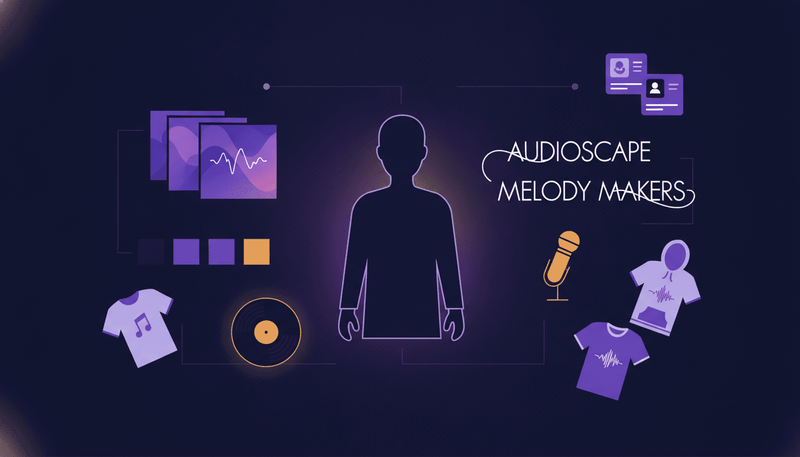
Music Branding 101: How to Build an Artist Identity That Gets You Noticed in 2026
Build an artist brand that gets you noticed. This guide covers the 5 elements of music branding, how to define your identity, a branding checklist, real examples, analytics-driven audience insights, and common mistakes to avoid.
Email Marketing for Musicians: How to Build a Fan Email List That Converts in 2026
Build a fan email list that converts with this complete guide for musicians. Covers lead magnets, signup strategies, email content ideas, platform comparison, automation sequences, and performance metrics.
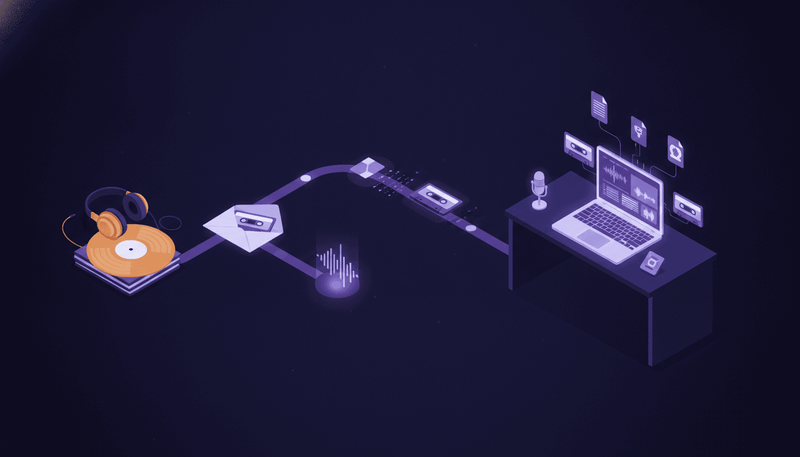
How to Submit a Demo to a Record Label in 2026: A Step-by-Step Guide
Learn how to submit a demo to a record label the right way. Covers demo preparation, label research, the submission process, A&R timelines, and how to use analytics to strengthen your pitch.
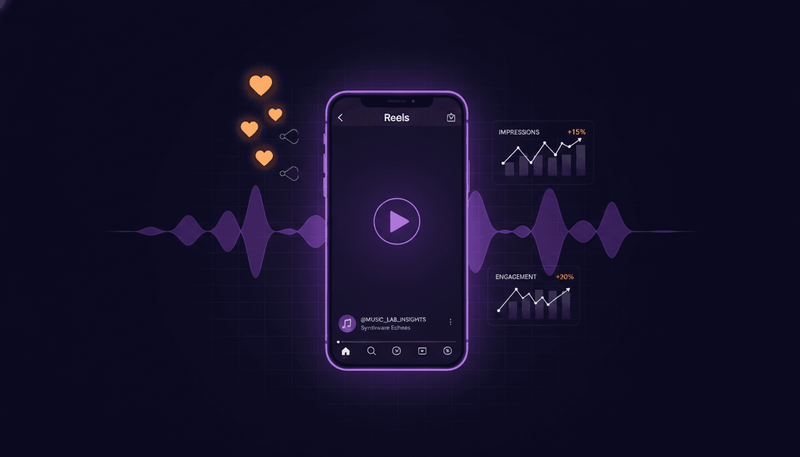
How to Use Instagram Reels to Promote Your Music in 2026: A Data-Driven Guide
Use Instagram Reels to promote your music with this data-driven guide covering algorithm mechanics, 10 proven content formats, optimal posting times, and performance tracking.
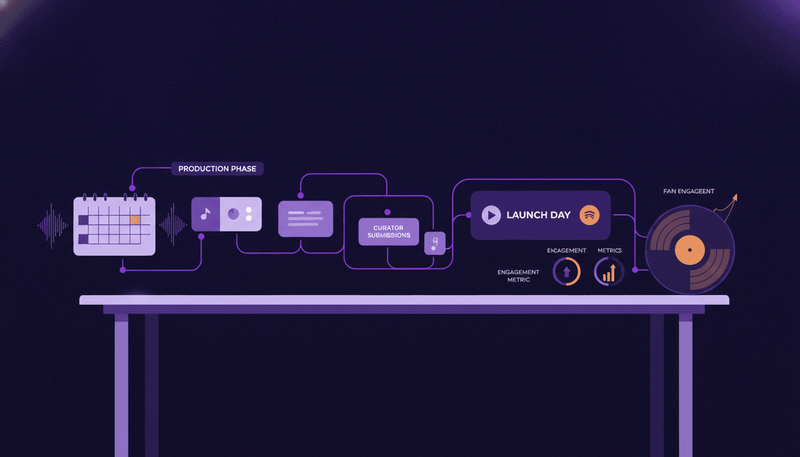
How to Plan a Music Release in 2026: The Complete Single and Album Release Strategy
Plan your next music release with this complete 8-week strategy guide covering distribution, playlist pitching, pre-save campaigns, and post-release analytics for singles, EPs, and albums.
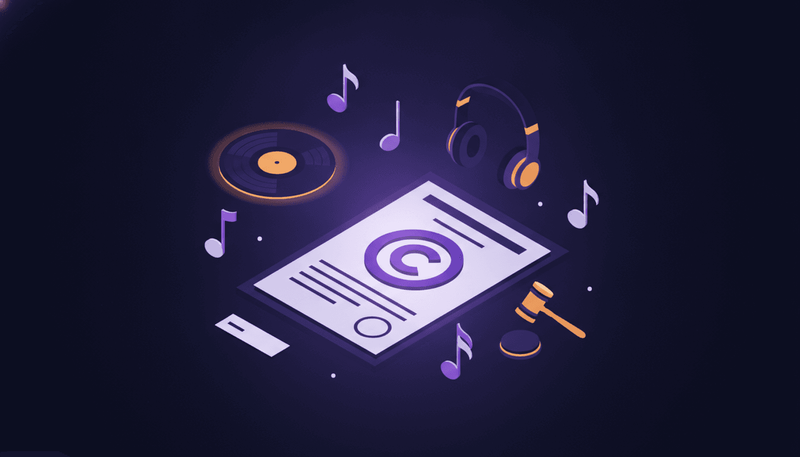
Music Copyright Explained: How to Copyright a Song and Protect Your Work in 2026
Learn how to copyright a song step by step: registration, protection types, fair use, sampling rules, and how analytics helps safeguard your catalog in 2026.
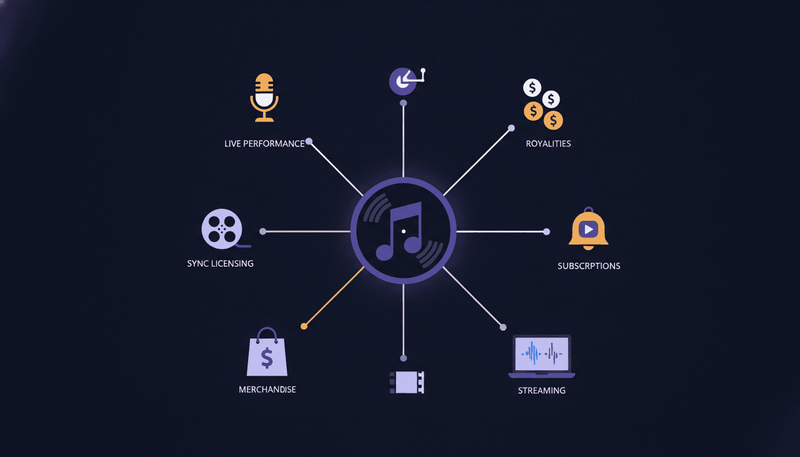
How to Monetize Your Music in 2026: 15 Revenue Streams for Independent Artists
Independent artists earned over $6 billion from streaming in 2025. This guide breaks down 15 proven revenue streams for 2026 with practical steps to diversify your music income.
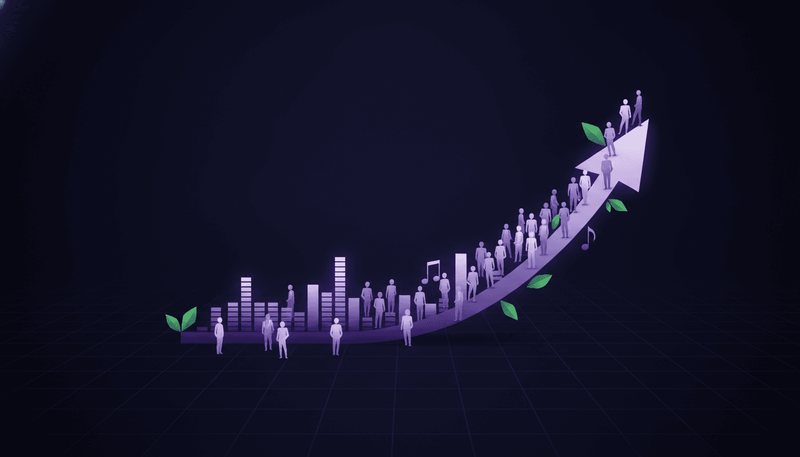
How to Get Followers on Spotify: Proven Strategies for Musicians in 2026
A data-backed guide to growing your Spotify followers in 2026: 10 proven strategies, the difference between followers and listeners, and how to track what actually drives long-term audience growth.

