Best Places to Promote Your Music in 2026: Free and Paid Options Ranked
Ranked guide to free and paid music promotion sites in 2026, with cost breakdowns, ROI comparisons, and a framework for choosing the right channels for your budget and goals.
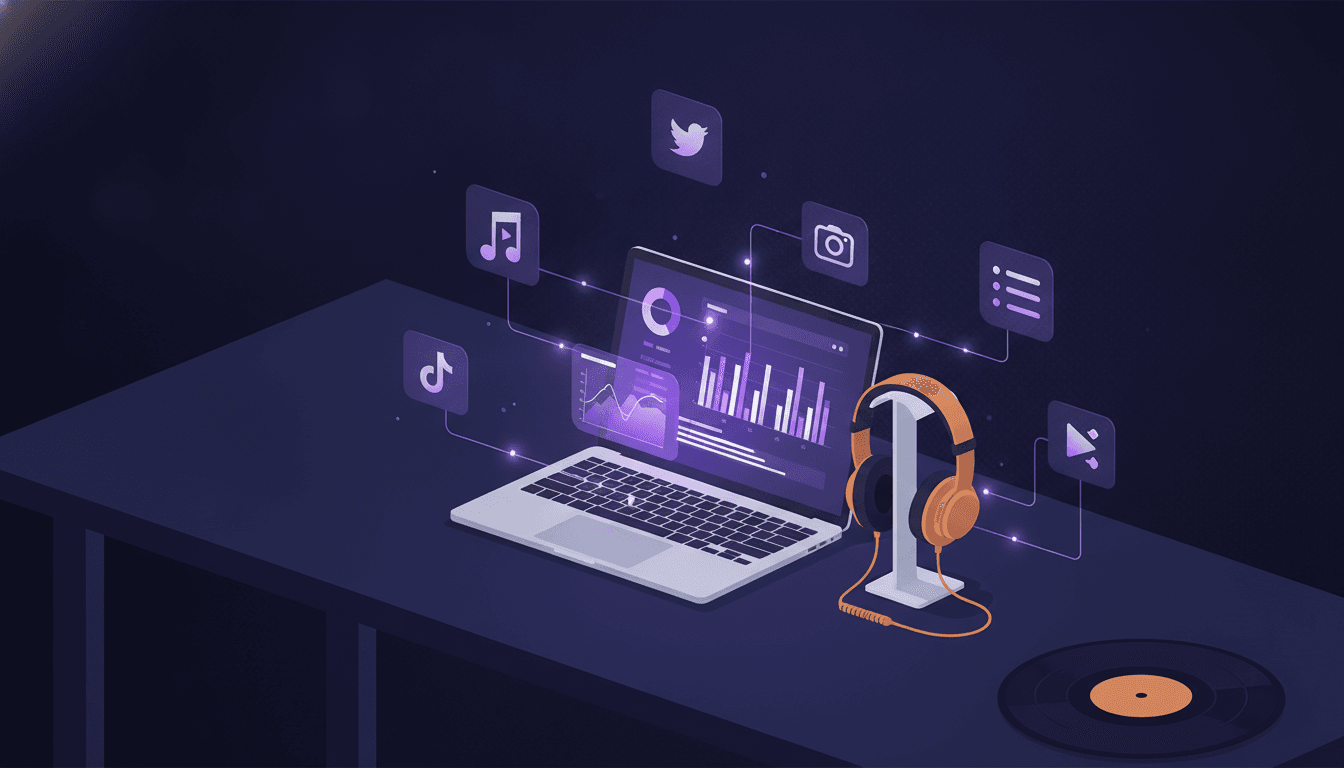
Independent artists and label teams released over 120,000 tracks per day on major streaming platforms in 2025. Getting heard requires more than uploading and hoping. The artists who break through treat promotion like a campaign: they pick channels that match their budget, genre, and goals, then measure what actually moves listeners from casual plays to saves, follows, and ticket purchases.
This guide ranks the best free and paid music promotion sites in 2026 based on reach, targeting quality, and real-world results. Whether you have zero budget or five figures to spend, you will find actionable options below.
Where Should You Promote Your Music in 2026?
Short answer: start with the free tools built into the platforms where listeners already discover music (Spotify for Artists, Apple Music for Artists, YouTube Studio). Layer in social media where your genre's audience is most active. When you have budget, invest in targeted social ads and vetted playlist pitching services before touching PR.
The rest of this post breaks down each option with costs, best-use scenarios, and a framework for choosing the right mix.
Free Music Promotion Sites That Actually Work
Free does not mean low-impact. The most effective free channels connect you directly with listeners who are actively searching for new music. The catch: they cost time, consistency, and creative effort instead of dollars.
Streaming Platform Tools
Spotify for Artists remains the single most important free promotional tool for any release. The editorial playlist submission feature lets you pitch unreleased tracks directly to Spotify's curation team up to seven days before release. Artists who pitch consistently report 2x to 5x higher first-week save rates compared to unpitched releases. Beyond pitching, Spotify for Artists gives you access to real-time streaming data, audience demographics, and the Canvas (looping visual) feature that increases average stream time.
Apple Music for Artists provides detailed listener analytics, Shazam data (Apple owns Shazam), and the ability to customize your artist page. Apple's algorithmic playlists favor artists with growing Shazam counts, making it a strong signal platform even if your core audience streams on Spotify.
YouTube Studio is the most overlooked free promotion engine. YouTube remains the world's largest music discovery platform by total hours. Uploading official audio tracks, lyric videos, and behind-the-scenes content builds a library that compounds over time. YouTube Shorts (under 60 seconds) currently receive aggressive algorithmic promotion, making them a no-cost way to reach new listeners.
Social Media Platforms Ranked by Music-Friendliness
Not every social platform treats music content equally. Here is how they rank for musicians in 2026:
-
TikTok: Still the top platform for organic music discovery. A 15-second clip using your track can reach millions without ad spend. The algorithm favors new creators, giving emerging artists a real shot at virality. TikTok's direct integration with Spotify and Apple Music means listeners can save your song from the app.
-
Instagram Reels: Meta's short-form video format mirrors TikTok's discovery model. Reels reach non-followers at rates that standard posts cannot match. Use Reels for behind-the-scenes content, studio clips, and track previews.
-
YouTube Shorts: As noted above, Shorts benefit from YouTube's investment in competing with TikTok. The advantage: Shorts viewers can easily click through to your full-length videos and channel.
-
Twitter/X: Best for building relationships with journalists, playlist curators, and other artists. Less effective for direct fan acquisition, but strong for industry networking and real-time engagement during release weeks.
-
Facebook: Organic reach for musician pages has declined for years. Still useful for local show promotion, event pages, and Facebook Groups centered on specific genres.
-
Threads: Meta's newer platform is growing fast in 2026 and favors conversational, personality-driven content. Good for building a direct relationship with existing fans, less proven for new listener acquisition.
Music Communities and Forums
Dedicated music communities put your tracks in front of people who actively want to discover new music:
- Reddit (r/listentothis, r/indieheads, genre-specific subreddits): High-quality feedback and genuine listener engagement. Avoid spamming; contribute to discussions first, share your music after you have established credibility.
- Discord servers: Genre-focused Discord communities have exploded since 2024. Servers for lo-fi, hyperpop, indie rock, and electronic music run regular listening sessions and feedback rounds.
- Bandcamp: The platform favors independent artists and has a built-in discovery engine. Bandcamp Fridays (waived platform fees) drive significant direct-to-fan sales.
- SoundCloud: Still relevant for hip-hop, electronic, and experimental genres. SoundCloud's repost feature creates organic sharing chains.
Free Playlist Submission Sites
Several platforms let you submit tracks to independent playlist curators at no cost:
- SubmitHub (free tier): Limited free submissions to curators. Expect lower response rates on free credits, but the feedback you receive is genuine.
- Daily Playlists: Connects artists with curators for free in exchange for honest feedback.
- Playlist Push free tier: Limited submissions available at no cost.
A word of caution: any service guaranteeing playlist placement for a fee is likely using bot-driven or fake playlists. Fake streams can trigger algorithmic penalties from Spotify and other platforms.
Free Platform Comparison
| Platform | Reach Potential | Best For | Time Investment |
|---|---|---|---|
| Spotify for Artists | High (editorial playlists reach millions) | Pre-release pitching, audience insights | Low (pitch process takes 15 min) |
| TikTok | Very High (algorithmic discovery) | Viral moments, new fan acquisition | Medium (consistent posting required) |
| YouTube/Shorts | High (search + algorithmic) | Long-term catalog building | Medium to High |
| Instagram Reels | Medium-High | Visual artists, behind-the-scenes | Medium |
| Reddit communities | Medium | Niche genres, honest feedback | Medium |
| Bandcamp | Low-Medium | Direct sales, indie credibility | Low |
| Free playlist submission | Variable | Getting curator feedback | Low |
Paid Music Promotion Options Worth the Investment
Paid promotion accelerates what organic channels start. The key: spend money only after you know what message resonates and which audience responds. Running ads on a track that has not yet proven itself organically is the most common way musicians waste money.
Social Media Ads for Musicians
Meta Ads (Instagram and Facebook) offer the most precise targeting for musicians. You can target users by music taste, artist follows, recent streaming behavior, and geographic location. A well-targeted Reels ad promoting a new single can drive Spotify saves for $0.15 to $0.50 per save, depending on genre and market.
Budget guidance: Start with $10 to $20 per day for 7 days. Test 3 to 4 different ad creatives (short video clips of the track with different hooks). Kill underperformers after 48 hours and scale winners.
TikTok Spark Ads let you boost organic TikTok posts that are already gaining traction. This is one of the highest-ROI ad formats for music: you amplify content the algorithm already favors, reaching 5x to 10x the audience of the original post. Minimum budget is $20 per day.
YouTube Ads work well for music videos and longer-form content. Pre-roll ads (the ones that play before other videos) can target users watching similar artists. Cost per view runs $0.01 to $0.05, making it one of the cheapest ways to get eyeballs on a music video.
Playlist Pitching Services
Legitimate playlist pitching services connect your tracks with verified independent curators. These services vet curators to ensure real listeners, not bots.
- SubmitHub Premium ($1 to $3 per submission): Direct access to thousands of curators, bloggers, and YouTube channels. You pay per submission, not per placement, so results are not guaranteed, but the curators are real.
- Playlist Push ($200 to $500 per campaign): Matches your track with curators based on genre. Campaigns run for 2 to 4 weeks. Average results: 10 to 30 playlist adds per campaign.
- Groover ($2 per submission): Similar model to SubmitHub. Strong European curator network.
Avoid services that promise a specific number of streams or guaranteed placement on large playlists. These almost always use artificial streaming, which Spotify actively penalizes.
PR and Blog Placement
Music PR firms pitch your releases to journalists, bloggers, and tastemaker publications. This channel works best when you already have a story to tell (debut album, unique origin story, notable collaboration, tour announcement).
- Independent publicists: $500 to $2,000 per month. Best for emerging artists with a clear narrative.
- Mid-tier PR firms: $2,000 to $5,000 per month. Relationships with outlets like Pitchfork, The FADER, Complex, and genre-specific publications.
- Full-service campaigns: $5,000 and up. Include press, radio, sync licensing pitches, and media training.
PR is a long game. A single blog placement rarely moves streaming numbers on its own, but accumulated press coverage builds credibility that compounds across all your other promotional channels.
Paid Options Comparison
| Option | Cost Range | Expected ROI | Best For |
|---|---|---|---|
| Meta Ads (IG/FB) | $10-$50/day | $0.15-$0.50 per save | Targeted fan acquisition |
| TikTok Spark Ads | $20+/day | 5-10x organic reach | Amplifying viral content |
| YouTube Ads | $0.01-$0.05/view | High video view counts | Music video promotion |
| SubmitHub Premium | $1-$3/submission | 10-30% placement rate | Independent curator access |
| Playlist Push | $200-$500/campaign | 10-30 playlist adds | Broad curator outreach |
| PR/Publicity | $500-$5,000+/month | Long-term credibility | Story-driven campaigns |
Music24 shows what happens after promotion: which post moved your streams, where your fans listen, and which playlists added your song. Start your 7-day free trial to see which channels move the needle for your releases.
How to Choose the Right Promotion Strategy
Match Your Budget to Your Goals
Zero budget: Focus entirely on streaming platform tools, TikTok, and music communities. Consistency matters more than volume. Post 3 to 5 times per week on your strongest social platform and pitch every release through Spotify for Artists.
$100 to $500 per release: Add Meta Ads and SubmitHub Premium to your organic efforts. Test ad creatives with small budgets before scaling. Submit to 50 to 100 curators per release.
$500 to $2,000 per release: Layer in Playlist Push campaigns and TikTok Spark Ads. Consider a one-month PR push for your most important release of the year.
$2,000 and up: Full promotional stack: PR, paid social, playlist pitching, and YouTube ads. At this budget, hire a marketing manager or work with a label that handles promotion.
Use Data to Pick Your Channels
Stop guessing which promotion channels work. Track these metrics for every release:
- Save-to-stream ratio: Saves indicate real interest. A ratio above 3% suggests strong audience fit.
- Playlist add sources: Which curators drive the most post-add streams? Double down on those relationships.
- Geographic hotspots: If a city or country responds strongly to your music, target your ad spend there.
- Follower conversion: How many listeners from a promotional push actually follow your artist profile?
Music24 reads millions of public playlists and charts every day and shows which playlists add songs like yours, which tracks and artists are gaining playlists fastest in a genre, and the countries where that genre grows.
Where Music24 fits
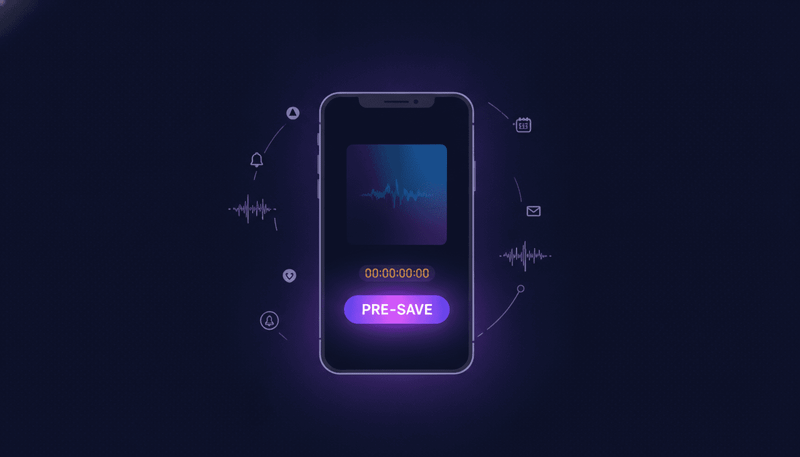
Music24 is built for the work around a release. Add a song and it makes the posts and the videos, plans the rollout and publishes to TikTok, Instagram, YouTube, Facebook and Threads. Every song also gets one link page with pre-save, so fans are waiting on release day. Its analytics put your Spotify for Artists, YouTube and social numbers in one place, with each post next to the streams of the day it went out, so you can see what actually moved.
Start free with Music24: 7 days of the Pro plan, no card, then a Free plan for as long as you like.
Mistakes to Avoid When Promoting Your Music
Paying for fake streams or bot-driven playlists. Spotify's fraud detection has improved dramatically. Artists caught using artificial streaming services face track removal, royalty clawbacks, and permanent algorithmic penalties. No shortcut is worth that risk.
Promoting everything equally. Not every track deserves the same promotional push. Identify your strongest singles based on early listener data (save rates, skip rates, completion rates) and concentrate your budget on those tracks.
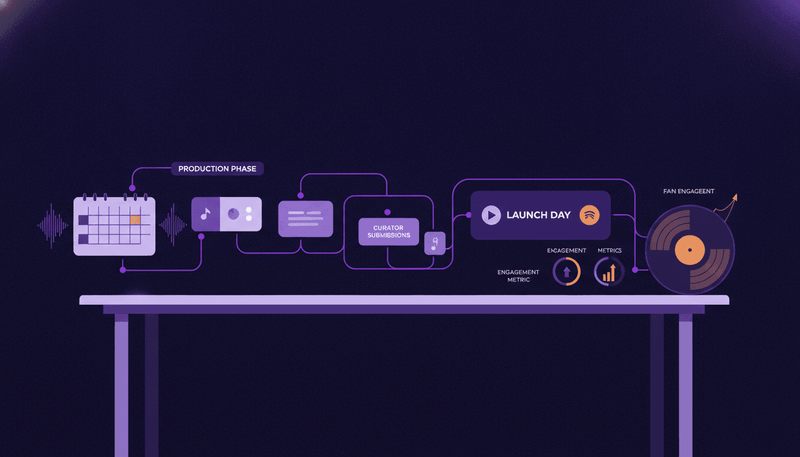
Ignoring the release timeline. Effective promotion starts 4 to 6 weeks before release day. Pitching Spotify editorial playlists, building anticipation on social media, and lining up press coverage all require lead time. Scrambling to promote on release day is too late.
Skipping the data. Flying blind wastes money. Track which channels drive real listeners (not just clicks or views) and cut the ones that do not convert. The difference between a successful and unsuccessful campaign is rarely the budget; it is whether the artist measured what actually mattered.
Spreading too thin across platforms. Two platforms done well outperform six platforms done poorly. Pick the channels where your target audience is most active and commit to consistent, high-quality content there before expanding.
FAQ
What is the best free site to promote music in 2026?
Spotify for Artists is the single most impactful free tool. The editorial playlist submission feature gives every artist direct access to Spotify's curation team. Beyond that, TikTok offers the highest organic reach for new listener acquisition, and YouTube Shorts provides strong algorithmic promotion for short-form music content.
How much should I spend on music promotion?
Start with what you can afford to lose. For most independent artists, $100 to $500 per release is a reasonable starting point for paid promotion. Allocate roughly 60% to social media ads (Meta or TikTok), 30% to playlist pitching (SubmitHub or Playlist Push), and 10% to testing new channels. Scale up only after you identify which channels deliver positive ROI for your genre and audience.
Are playlist pitching services worth it?
Legitimate services like SubmitHub and Playlist Push connect you with real curators and provide genuine exposure. They are worth the investment when used alongside organic promotion. Avoid any service that guarantees a specific number of streams or promises placement on playlists with suspiciously high follower counts. Real results come from real listeners adding your track to their personal rotation.
How do I know if my music promotion is working?
Track save-to-stream ratios, playlist adds, follower growth, and geographic listener data. A successful campaign increases saves and follows, not just play counts. Saves indicate genuine interest; a listener who saves your track will hear it again through algorithmic recommendations. Music analytics platforms that track private playlist data give you the clearest picture of real engagement.
Should I use a music PR firm or do promotion myself?
Handle promotion yourself when you are building your initial audience and have no story beyond "I make good music." Hire a PR firm when you have a compelling narrative (debut album, major collaboration, breaking streaming milestone, tour announcement) and need to reach media outlets that do not accept direct pitches. PR works best as an amplifier for momentum you have already started building.
What social media platform is best for promoting music?
TikTok leads for organic music discovery in 2026, followed by Instagram Reels and YouTube Shorts. The right platform depends on your genre and content style: hip-hop and pop artists thrive on TikTok, singer-songwriters often perform better on Instagram, and producers and electronic artists find strong communities on YouTube and SoundCloud. Pick one or two platforms and post consistently rather than spreading yourself across all of them.
Releasing music soon? Start free with Music24: 7 days of the Pro plan, no card, then a Free plan for as long as you like.
Get your music heard. Grow the fans who stay.
Add a song. Music24 makes the posts and the videos, plans your release and publishes it on every channel. Free for 7 days on the Pro plan, no card.