Understanding Playlist Curator Types and Their Impact
Explore playlist curator types and their importance in music marketing, including roles, strategies, and real-world applications.

Playlist curators decide which tracks make it into the ears of millions, and their choices can make or break a song’s chance at discovery. Most people think algorithms pick our music these days, but the truth is that over 60 percent of streaming listeners still discover new artists through curated playlists. That puts more power in the hands of human curators and tastemakers than you might expect.
Table of Contents
- Defining Playlist Curator Types: What Are They?
- The Importance Of Playlist Curator Types In Music
- Different Roles Of Playlist Curators Explained
- How Playlist Curator Types Affect Music Discovery
- Key Strategies For Engaging Playlist Curator Types
Quick Summary
| Takeaway | Explanation |
|---|---|
| Playlist curators shape music discovery. | They select and arrange songs, significantly influencing how listeners interact with music through curated playlists. |
| Engagement strategies vary by curator type. | Different curator types—professional, independent, and algorithmic—require tailored approaches for successful engagement by artists. |
| Curation drives economic opportunities for artists. | Curators help artists gain exposure and generate revenue, with significant increases in listeners from featured playlists. |
| Understanding curator motivations is essential. | Properly addressing the unique goals of each curator ensures better chances for artists to be included in playlists. |
| Quality and authenticity matter in submissions. | High-quality music and genuine storytelling enhance the likelihood of selection by independent curators. |
Defining Playlist Curator Types: What Are They?
Playlist curators are the critical gatekeepers in digital music distribution, responsible for selecting and organizing music tracks that create compelling listening experiences. These professionals play a strategic role in music discovery, influencing how audiences consume and interact with music across various platforms.
The Core Concept of Playlist Curation
At its fundamental level, playlist curation involves selecting and arranging musical tracks to create a cohesive listening journey. These curators range from professional music industry experts to passionate music enthusiasts who understand the nuanced art of track sequencing and emotional storytelling through music. Our comprehensive guide on playlist data provides deeper insights into this complex ecosystem.
Playlist curator types can be broadly categorized into several key groups
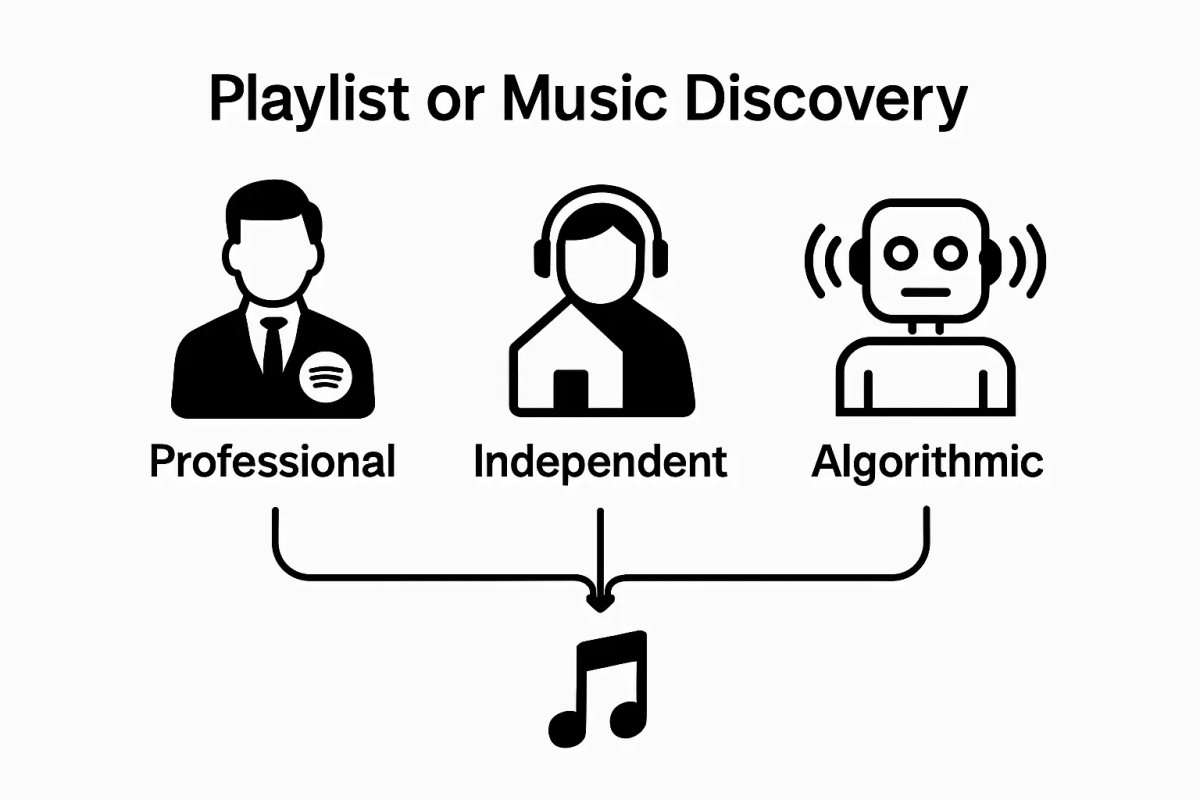 :
:
- Professional Curators: Employed by streaming platforms, record labels, and music publications
- Independent Curators: Music bloggers, radio DJs, and passionate music fans
- Algorithmic Curators: AI and machine learning systems that generate playlists based on listener preferences
The Strategic Importance of Playlist Curators
Playlist curators significantly impact music discovery and artist exposure. According to Nielsen Music/MRC Data, over 60% of music streaming listeners discover new artists through curated playlists. These professionals do more than simply compile tracks they select music that tells a story, evokes emotion, and creates a unique listening experience.
The curator's role extends beyond mere song selection. They understand genre dynamics, listener psychology, and the subtle art of musical transition. By carefully analyzing musical elements like tempo, mood, and thematic connections, curators craft experiences that keep listeners engaged and emotionally connected to the music.
The Importance of Playlist Curator Types in Music
Playlist curators represent a pivotal force in modern music ecosystems, serving as critical connectors between artists, listeners, and music platforms. Their role transcends simple track selection, fundamentally reshaping how music is discovered, consumed, and valued in the digital age.
Economic and Discovery Impact
Playlist curators generate substantial economic value for the music industry by creating pathways for artist exposure and listener engagement. Research on playlist trends reveals that curator-generated playlists drive significant streaming revenues and artist visibility. According to Spotify for Artists, being featured on prominent playlists can increase an artist's monthly listeners by up to 500%.
Key economic contributions of playlist curators include:
- Generating substantial streaming revenue streams
- Creating exposure opportunities for emerging artists
- Establishing new music discovery channels
- Influencing listener preferences and consumption patterns
Technological and Cultural Significance
Playlist curators bridge technological innovation with cultural storytelling. They translate complex algorithmic recommendations into human-curated experiences that resonate emotionally with listeners. By understanding genre nuances, cultural contexts, and listener psychology, these professionals transform playlist creation from a mechanical task into an art form.
The most effective curators recognize that playlists are more than song collections. They are narrative experiences that communicate mood, tell stories, and connect listeners with musical journeys. Whether creating workout playlists, ambient soundscapes, or genre-specific compilations, curators craft sonic environments that reflect deeper cultural and emotional landscapes.
Different Roles of Playlist Curators Explained
Playlist curators operate within a complex ecosystem, each type playing a distinctive role in music discovery and distribution. Their functions vary significantly, reflecting the diverse landscape of modern music consumption and promotion.
Below is a comparison table outlining the main types of playlist curators, their core characteristics, and how they influence music discovery.
| Curator Type | Typical Examples | Core Characteristics | Influence on Music Discovery |
|---|---|---|---|
| Professional Curators | Platform curators, label curators, editorial curators | Industry expertise, analytics, structured selection | High exposure, strategic artist promotion |
| Independent Curators | Music bloggers, radio DJs, fans | Authenticity, niche focus, cultural expertise | Unique tastes, spotlight on subcultures |
| Algorithmic Curators | AI/ML playlist generations | Data-driven, scales with user behavior, automated processes | Highly personalized, dynamic discovery |
Professional Curator Roles
Professional curators work within structured environments like streaming platforms, record labels, and music publications. Our guide on playlist data types provides additional context about their operational frameworks. These curators leverage deep industry knowledge, professional networks, and advanced analytics to craft strategic playlist selections.
Key professional curator categories include:
- Platform Curators: Employed directly by streaming services like Spotify and Apple Music
- Label Curators: Music industry professionals representing specific record labels
- Editorial Curators: Journalists and music critics who create playlists for publications
Independent and Niche Curator Dynamics
Independent curators represent a more grassroots approach to playlist creation. According to academic research, these curators build unique audiences by focusing on specific genres, cultural movements, or musical subcultures. Their value lies in authenticity and deep musical expertise that transcends mainstream algorithmic recommendations.

These independent curators often specialize in:
- Genre-specific playlists
- Regional and local music scenes
- Underground and emerging artist showcases
- Thematic musical experiences
Algorithmic and Technological Curation
Algorithmic curators represent the technological frontier of playlist creation. Using machine learning and artificial intelligence, these systems analyze listener behavior, streaming patterns, and musical attributes to generate personalized playlist recommendations. Unlike human curators, algorithmic systems can process massive amounts of data instantaneously, creating highly tailored listening experiences that adapt in real time to individual preferences.
How Playlist Curator Types Affect Music Discovery
Playlist curator types serve as intricate gatekeepers and navigators in the complex landscape of music discovery, each wielding unique mechanisms that profoundly influence how listeners encounter and engage with new musical content. Their varied approaches create multifaceted pathways for artist exposure and audience connection.
Strategic Discovery Mechanisms
Different playlist curator types employ distinct strategies to facilitate music discovery. Our comprehensive analysis of playlist data reveals nuanced approaches that transform how artists gain visibility. Professional curators leverage industry relationships and data analytics, while independent curators rely on cultural intuition and genre expertise.
Key discovery impact strategies include:
- Targeted audience segmentation
- Genre and mood-based musical clustering
- Emerging artist promotion
- Cross-genre musical exploration
Psychological and Cultural Filtering
Playlist curators act as critical cultural filters, interpreting and translating musical experiences beyond algorithmic recommendations. According to research from MIT, human curators introduce subjective musical narratives that algorithms cannot replicate. They contextualize music within broader cultural movements, creating listening experiences that are emotionally resonant and intellectually engaging.
These curators transform music discovery from a passive consumption activity into an active, meaningful cultural exchange. By understanding listener psychology, they craft playlists that not only introduce new music but also tell compelling stories about artistic evolution, cultural trends, and emotional landscapes.
Key Strategies for Engaging Playlist Curator Types
Engaging playlist curators requires a nuanced, strategic approach that recognizes the unique characteristics and motivations of different curator types. Artists and music industry professionals must develop targeted strategies that resonate with each curator's specific goals and audience expectations.
This table summarizes the key strategies artists and industry professionals should use to engage each type of playlist curator, based on the article content.
| Curator Type | Engagement Strategy Focus | What Matters Most |
|---|---|---|
| Professional Curators | Professional submissions, research, narrative building | Audio quality, matching mood/genre, compelling artist story |
| Independent Curators | Building relationships, authenticity, artistic context | Genuine connection, unique voice, deep musical storytelling |
| Algorithmic Curators | Metadata optimization, data-driven approach | Accurate track data, streaming performance, listener engagement |
Professional Curator Engagement
Professional curators demand high quality, meticulously crafted musical submissions that align with their platform's specific aesthetic and audience preferences. Learn more about leveraging private playlist data to understand these intricate dynamics. Successful engagement involves comprehensive research, professional presentation, and demonstrating clear value proposition for their specific playlist ecosystem.
Key strategies for professional curator engagement include:
- Providing professionally mastered audio tracks
- Submitting comprehensive artist background information
- Understanding specific playlist genre and mood requirements
- Developing compelling narrative around musical work
Independent Curator Connection
Independent curators prioritize authentic musical experiences and unique artistic voices. According to Billboard's curator research, these curators value personal connections and genuine artistic storytelling over traditional marketing approaches. They seek artists who can communicate their musical journey with passion and originality.
Effective approaches for independent curator engagement involve:
- Building genuine relationships
- Sharing detailed artistic context
- Demonstrating musical authenticity
- Highlighting unique artistic perspectives
Technological Curator Optimization
Algorithmic curators require a data driven approach that focuses on measurable musical attributes. These systems analyze track metadata, listener engagement patterns, and streaming performance to make playlist selections. Artists must optimize their digital musical profiles, ensuring robust metadata and consistent streaming performance to attract algorithmic playlist consideration.
Unlock the Hidden Power of Playlist Curators with Music24
Are you struggling to spot emerging artists or influential playlist curators before the competition does? The article highlights the challenge of relying on public data alone to understand the impact of different curator types. With so many layers to curation—from professional experts to highly dynamic independent and algorithmic gatekeepers—music professionals need better tools to truly capture authentic discovery and listener trends at their source.

Do not depend solely on surface-level streaming numbers or public playlists. Experience the future of music analytics at Music24.com, where you gain unique access to private playlist data to uncover real music discovery patterns as they unfold. See how our insights into private playlist data and advanced playlist trends turn raw listening behavior into actionable intelligence. Give yourself the edge by connecting with emerging curators and tracking true breakout tracks before they reach the public eye. Visit Music24.com today and transform the way you identify talent and growth opportunities in music.
Frequently Asked Questions
What types of playlist curators are there?
Playlist curators can be broadly categorized into three main types: professional curators (employed by streaming platforms, record labels, and music publications), independent curators (such as music bloggers, radio DJs, and passionate music fans), and algorithmic curators (AI systems that generate playlists based on listener preferences).
How do playlist curators impact music discovery?
Playlist curators play a significant role in music discovery by influencing listener habits and helping audiences discover new artists. Over 60% of streaming listeners rely on curated playlists to find new music, making curators essential for artist exposure and engagement.
What strategies can artists use to engage with professional curators?
Artists can effectively engage professional curators by providing high-quality, well-crafted musical submissions, understanding genre and mood requirements, and presenting a compelling narrative around their work, along with comprehensive artist background information.
How do independent curators differ from algorithmic curators?
Independent curators emphasize authentic, handcrafted musical experiences and seek unique artistic voices, while algorithmic curators focus on data-driven insights and measurable attributes to create personalized playlists based on listener behavior.
Recommended
- Understanding Types of Playlist Data in the Music Industry - Blog - Music24.com
- 7 Examples of Playlist Trends Shaping the Music Industry - Blog - Music24.com
- Understanding What is Playlist Data and Its Impact - Blog - Music24.com
- 7 Playlist Analytics Examples to Boost Your Strategy - Blog - Music24.com
Get your music heard. Skip the content grind.
Add a song. Music24 makes the posts and the videos, plans your release and publishes it on every channel. Free for 7 days on the Pro plan, no card.