
Most advice about playlist data analysis gets it wrong. While many focus only on surface-level statistics, American researchers are finding that playlists reveal much deeper insights into music preferences and trends. Over 80 percent of music industry professionals now rely on advanced playlist analysis to understand audience engagement. This approach uncovers patterns and preferences not visible in traditional metrics, making it an essential strategy for anyone aiming to understand the future of music.
Table of Contents
- Playlist Data Analysis Defined and Debunked
- Types of Playlist Data and Their Sources
- How Private Playlist Analysis Uncovers Trends
- Key Benefits for Labels and Industry Pros
- Risks, Privacy, and Data Compliance Factors
Key Takeaways
| Point | Details |
|---|---|
| Playlist Data Analysis Enhances Insights | This approach uncovers listener behavior trends that traditional streaming metrics often overlook, allowing more accurate understanding of music consumption. |
| Diverse Data Types Provide Comprehensive Insights | Understanding structural metadata, user interactions, and other data types enables professionals to decode complex listener behaviors effectively. |
| Private Playlist Analysis Reveals Hidden Trends | By examining private playlists, music industry professionals can uncover micro-trends and preferences that are not visible through public metrics. |
| Risks and Compliance are Critical Factors | Ensuring user privacy and data integrity is essential, necessitating adherence to legal standards and ethical considerations in data analysis. |
Playlist Data Analysis Defined and Debunked
Playlist data analysis represents a sophisticated methodology for extracting actionable insights from music consumption patterns by examining the intricate ways users organize, share, and interact with digital music collections. At its core, this approach goes beyond traditional metrics by analyzing playlist metadata to uncover nuanced trends in listener behavior that conventional streaming statistics might overlook.
Researchers have demonstrated that playlist data provides profound insights into music discovery and recommendation systems. Contrastive learning techniques applied to playlist metadata enable sophisticated music representation models that can understand complex relationships between tracks, genres, and listener preferences. These advanced analytical approaches allow music industry professionals to decode the subtle dynamics of music consumption far more precisely than traditional chart-based measurements.
The critical value of playlist data analysis lies in its ability to reveal authentic audience engagement patterns. By examining song context, placement order, and cross-playlist interactions, researchers can map emerging musical trends with unprecedented accuracy. Studies investigating song context in playlist generation highlight how minute details like track sequence and thematic coherence significantly impact listener experience and music recommendation algorithms.
Key components of effective playlist data analysis include:
- Metadata extraction
- Listener behavior tracking
- Genre and mood classification
- Cross-playlist comparative analysis
- Predictive trend modeling
Ultimately, playlist data analysis transforms raw listening information into strategic intelligence, empowering music industry professionals to make data-driven decisions about artist development, marketing strategies, and audience targeting.
Types of Playlist Data and Their Sources
Playlist data encompasses a complex ecosystem of musical information, representing more than simple track collections. Comprehensive playlist analysis reveals multiple intricate data types that provide nuanced insights into listener behavior and music consumption patterns. These data sources range from explicit metadata to implicit behavioral signals that reveal sophisticated user preferences and musical interactions.

Conversational playlist curation datasets demonstrate the multifaceted nature of playlist data, highlighting several critical categories. Researchers have identified key types of playlist data that include structural metadata, user interaction logs, temporal placement information, and semantic genre classifications. Each category offers unique perspectives on how listeners engage with music, creating a rich tapestry of digital musical consumption patterns.
Spotify playlist research reveals that playlist data sources can be stratified into distinct layers of information. These layers typically include:
- Track-level metadata (artist, genre, release date)
- Playlist composition characteristics
- User demographic information
- Listening sequence and track transition patterns
- Contextual playlist attributes (mood, activity, time of day)
Ultimately, understanding these diverse playlist data types transforms raw musical interactions into strategic intelligence, enabling music industry professionals to decode complex listener behaviors and predict emerging trends with unprecedented precision.
How Private Playlist Analysis Uncovers Trends
Private playlist analysis represents a groundbreaking approach to understanding musical consumption patterns that extend far beyond traditional public streaming metrics. Private playlist investigation techniques reveal hidden listener behaviors and emerging trends that remain invisible through conventional data collection methods, providing music industry professionals with unprecedented insights into audience preferences and musical discovery mechanisms.
Knowledge graph-based recommender systems demonstrate how private playlist data can uncover intricate patterns of musical taste and listener behavior. These sophisticated analytical approaches enable researchers to map complex relationships between tracks, genres, and listener preferences with remarkable precision. By examining the nuanced interactions within private playlists, analysts can detect micro-trends and emerging musical connections that traditional metrics might completely overlook.
Interestingly, playlist analysis extends beyond entertainment into diverse research domains, revealing the versatility of this analytical approach. Researchers have discovered that private playlist data can provide insights across various contexts, including:
- Musical genre evolution
- Listener demographic segmentation
- Cultural musical preference mapping
- Emerging artist discovery
- Cross-genre musical interaction patterns
Ultimately, private playlist analysis transforms raw musical interaction data into strategic intelligence, empowering music industry professionals to anticipate trends, understand listener behavior, and make data-driven decisions with unprecedented accuracy and depth.
Key Benefits for Labels and Industry Pros
Playlist data analysis has emerged as a transformative tool for music industry professionals, offering unprecedented insights that drive strategic decision-making. Streaming music content analysis reveals critical advantages that enable labels, artist managers, and marketers to navigate the complex modern music landscape with remarkable precision and efficiency.
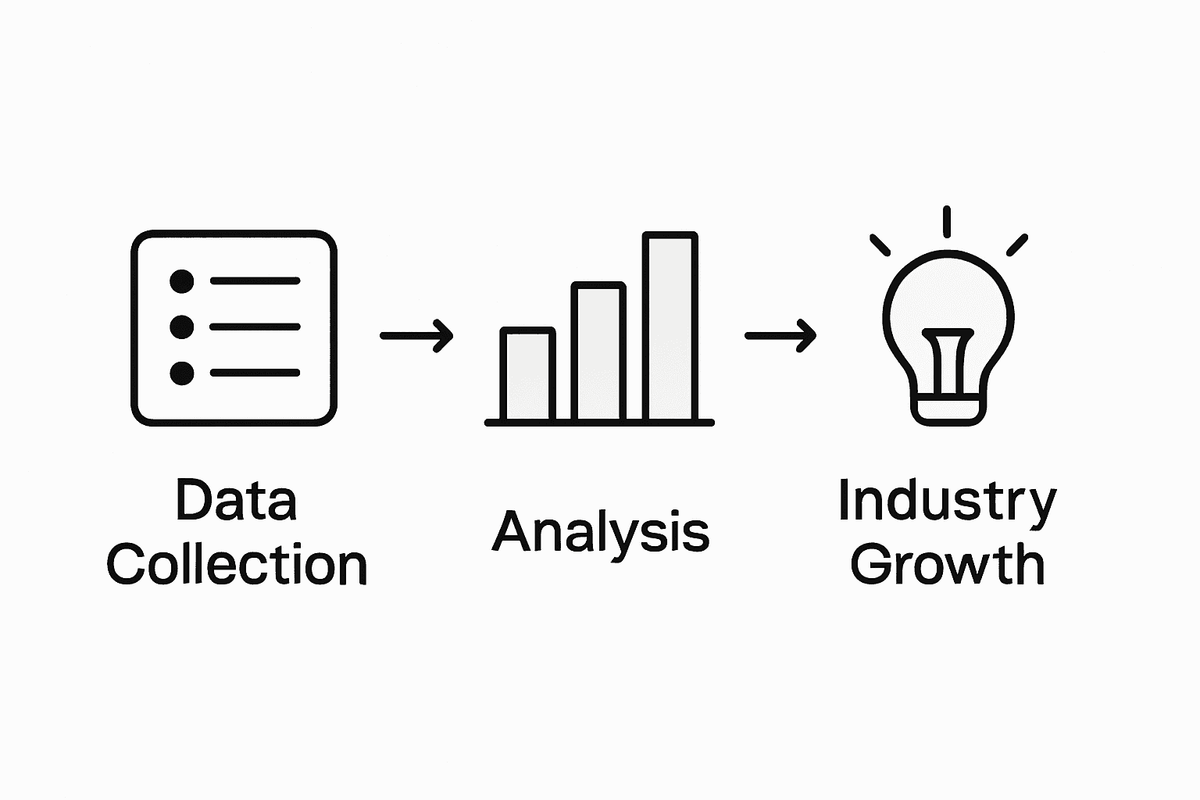
The strategic benefits of playlist data analysis extend far beyond traditional metrics, providing multidimensional perspectives on artist performance, audience engagement, and emerging musical trends. By decoding intricate listener behaviors, industry professionals can identify breakthrough artists, predict genre shifts, and develop targeted marketing strategies that resonate with specific audience segments. These insights allow for more nuanced artist development, more effective promotional campaigns, and more intelligent resource allocation.
Open music data standards are driving significant improvements in how industry professionals leverage playlist analytics. Key benefits include:
- Early artist discovery
- Precise audience demographic mapping
- Real-time trend identification
- Targeted marketing strategy development
- Improved artist compensation models
- Enhanced music recommendation mechanisms
Ultimately, playlist data analysis empowers music industry professionals to transform raw listening data into strategic intelligence, enabling more informed, data-driven decisions that can dramatically impact artist success and market positioning.
Risks, Privacy, and Data Compliance Factors
Playlist data analysis introduces complex legal and ethical considerations that music industry professionals must carefully navigate. Personal data privacy policies emphasize the critical importance of protecting individual user information while extracting meaningful insights from playlist data. Rigorous compliance frameworks are essential to ensure that data collection and analysis practices respect user rights and maintain transparency.
The potential for data manipulation presents significant risks to the integrity of playlist analytics. Controversies surrounding artificial playlist populations highlight the critical need for robust verification mechanisms that can distinguish authentic listener behaviors from manufactured or artificially generated data. Music industry professionals must develop sophisticated techniques to detect and mitigate potential data integrity challenges.
Key privacy and compliance considerations include:
- Anonymization of user data
- Explicit consent for data collection
- Transparent data usage policies
- Robust security protocols
- Regular compliance audits
- Clear opt-out mechanisms
- Adherence to international data protection regulations
Successful playlist data analysis requires a delicate balance between extracting valuable insights and maintaining stringent ethical standards. Industry professionals must continuously evolve their approaches to ensure that data-driven strategies respect individual privacy while delivering meaningful strategic intelligence.
Harness the Power of Private Playlist Data to Drive Music Industry Success
The article highlights the challenge of uncovering authentic audience engagement and emerging trends that public streaming metrics often miss. If you are striving to gain deeper insights into listener behavior, genre blending, and geographic micro-trends, you understand how critical private playlist analysis is for making data-driven decisions. Concepts like metadata extraction and predictive trend modeling prove essential for labels and artist managers who need to identify breakthrough artists before they hit mainstream charts.
At Music24.com, we specialize in turning anonymized private playlist data into strategic intelligence that music industry professionals rely on. Our platform empowers you to decode complex playlist metadata, track micro-trends, and influence marketing strategies with precision impossible through public data alone.
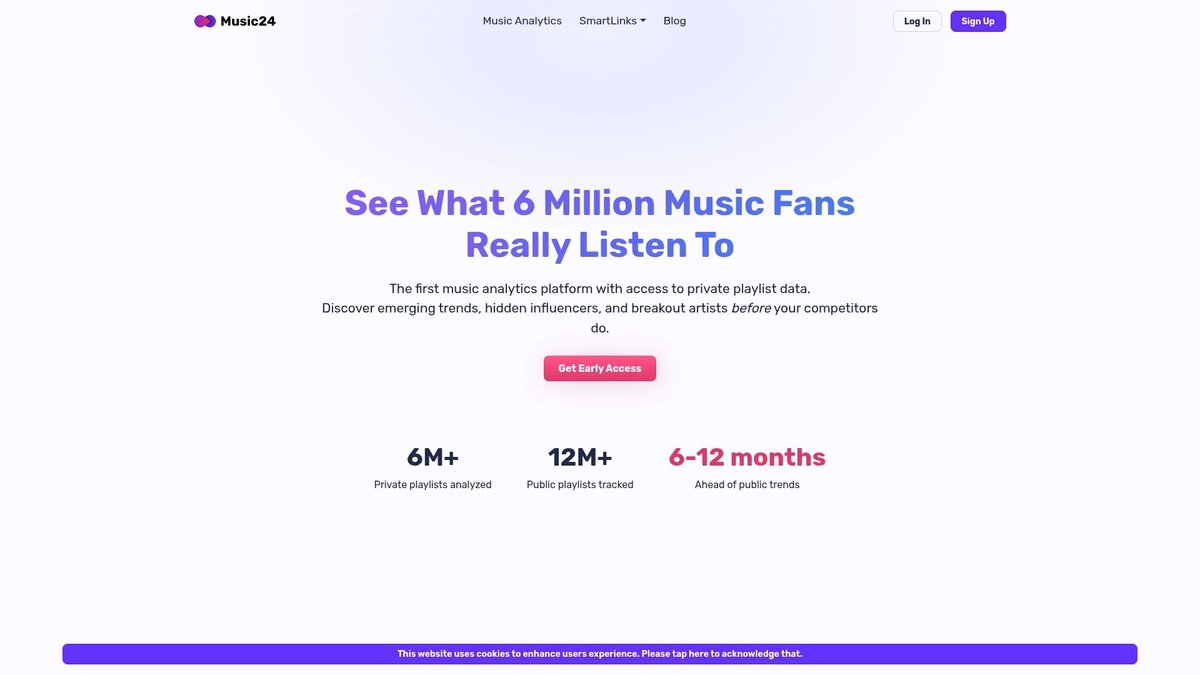
Discover how Music24’s proprietary access to private playlists equips you to stay ahead of evolving musical tastes and unlock growth opportunities now. Visit Music24.com to explore early artist discovery tools and predictive analytics that transform raw listening data into actionable industry insights. Step into the future of music discovery and make smarter decisions that fuel lasting success.
Frequently Asked Questions
What is playlist data analysis?
Playlist data analysis is a methodology for extracting actionable insights from music consumption patterns by examining how users organize, share, and interact with digital music collections. It uncovers trends in listener behavior that traditional streaming metrics may overlook.
What are the key components of effective playlist data analysis?
Key components include metadata extraction, listener behavior tracking, genre and mood classification, cross-playlist comparative analysis, and predictive trend modeling.
How does private playlist analysis differ from public metrics?
Private playlist analysis reveals hidden listener behaviors and emerging trends that are often invisible through public streaming metrics. It provides insights into audience preferences and musical discovery mechanisms.
What are the benefits of playlist data analysis for music industry professionals?
Playlist data analysis offers critical advantages such as early artist discovery, precise audience demographic mapping, real-time trend identification, targeted marketing strategies, improved artist compensation models, and enhanced music recommendation mechanisms.
Recommended
- Understanding Music Data Trends Explained for Industry Leaders - Blog - Music24.com
- Step by Step Music Trend Tracking for Industry Pros - Blog - Music24.com
- Step by Step Music Trend Analysis for Industry Pros - Blog - Music24.com
- 7 Key Benefits of Playlist Analysis for Music Industry Pros - Blog - Music24.com

